The Psychology Behind Slot Machines
Understanding the psychological factors that contribute to the addiction of casino slots is crucial. One prominent aspect is the concept of intermittent reinforcement. Players experience unpredictable rewards, which can lead to a state of excitement and anticipation. This unpredictability keeps players engaged as they hope for that elusive win, akin to the thrill of gambling, especially when they think about how ontario online casino fast withdrawal can add to the excitement. The brain releases dopamine, a neurotransmitter associated with pleasure, reinforcing the desire to play more. This cycle often results in players spending more time and money in pursuit of the next big payout.
Another psychological element is the illusion of control. Many players believe they can influence the outcomes of slot games through their choices or behaviors, such as betting patterns. This illusion fosters a sense of agency, making the experience more enticing. When players think they have some control over their fate, they are more likely to continue playing, despite the reality that slots are primarily games of chance. This false sense of control can mask the true nature of the risk involved, leading to deeper engagement and potential addiction.
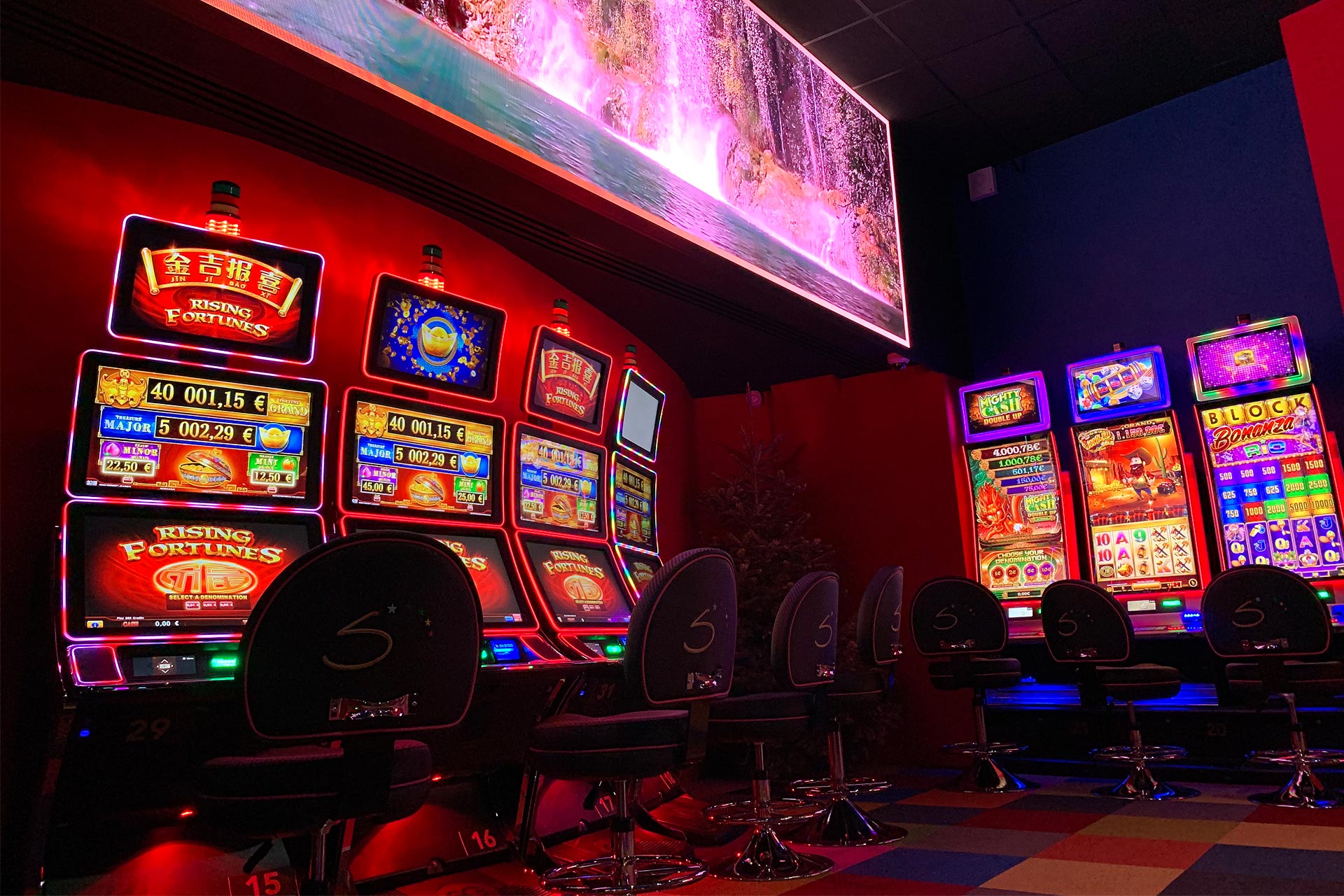
Furthermore, the design of slot machines plays a significant role in enhancing their addictive qualities. With bright lights, engaging sounds, and immersive themes, the sensory experience of playing slots can be overwhelming. These elements create an atmosphere that draws players in and keeps them engaged. Coupled with the potential for high rewards, the overall experience is carefully crafted to maximize enjoyment and prolong playtime. Such design choices are not random; they are strategically developed to elicit emotional responses that encourage continued play.
The Role of Gamification in Slot Addiction
Gamification refers to incorporating game-like features into non-game contexts to enhance user engagement. Many modern slot machines have adopted this approach, introducing levels, achievements, and competitions to entice players further. These gamified elements create a sense of progress and achievement that can be deeply satisfying, encouraging players to keep spinning the reels in pursuit of rewards and recognition. Players may find themselves invested not just in the game but in their own journey through levels and milestones.
In addition to enhancing engagement, gamification also taps into social dynamics. Players often compare their achievements with friends or other players, creating a competitive environment that can drive them to dedicate more time to the game. This competitive spirit, combined with the excitement of slots, increases the likelihood of prolonged sessions, making it harder for individuals to walk away. The social interaction aspect can turn solitary gaming into a shared experience, further anchoring the player to the game.
The integration of technology has also bolstered gamification in the world of slots. Features like leaderboards or interactive bonus rounds allow players to feel more connected to their gaming experience. By introducing social and competitive elements, slot machines become more than just solitary experiences; they turn into platforms for community engagement, thereby amplifying their addictive nature. These tech-driven features often keep players engaged longer, as they feel a part of a larger community and strive to achieve more than just a simple payout.
The Impact of Visual and Auditory Stimuli
Visual and auditory stimuli play a crucial role in the design of slot machines that can lead to addictive behaviors. The flashing lights and vibrant graphics are intentionally crafted to captivate players’ attention and stimulate their senses. When players see bright colors and dynamic animations, it triggers excitement and anticipation, compelling them to keep playing in hopes of getting a big win. This visual stimulation is designed to create an exhilarating environment that keeps players coming back for more.
Moreover, the sounds emitted during gameplay are equally important. Each spin is often accompanied by a series of sound effects—from cheerful jingles to dramatic victory music—all designed to enhance the gaming experience. These auditory cues reinforce the emotional highs of winning and amplify the feelings of disappointment during losses, creating a rollercoaster of emotions that keeps players coming back for more. The combination of sounds and visuals creates a captivating experience that can easily lead to extended play sessions.
The combination of these visual and auditory stimuli forms a feedback loop that further entices players. As their excitement builds, they become more engrossed in the game, often losing track of time and their spending. This sensory overload serves to heighten the thrill of playing slots, contributing to their addictive nature by making it challenging for players to disengage and rationalize their decisions during gameplay. The more engaged players become, the more difficult it is for them to recognize the potential consequences of their actions.
The Social Acceptance of Gambling
Societal perceptions of gambling have evolved significantly in recent years, with increased acceptance of gambling activities. This shift has led to a normalization of slot machine use, making it seem like a socially acceptable pastime. The more society embraces gambling as a fun and entertaining activity, the easier it becomes for individuals to overlook the potential risks of addiction. This cultural shift can lead to people underestimating the dangers associated with excessive gambling, contributing to a cycle of addiction.
Additionally, the prevalence of gambling advertisements and promotions can reinforce positive attitudes. Many advertisements present the idea that winning is just around the corner, enticing individuals to try their luck at slots. Such marketing messages often downplay the negative consequences of gambling, making it easy for people to disregard the potential for addiction. As these messages permeate popular culture, they can create an environment where gambling is seen as an innocent form of entertainment rather than a potential pitfall.
Social media and community-focused platforms have further contributed to the normalization of gambling culture. Players often share their success stories and tips online, fostering a sense of community among gamblers. This social environment can encourage problematic behavior as individuals feel validated and supported in their gambling activities, making it even more difficult to recognize when their play has become unhealthy. Such communal reinforcement can perpetuate the cycle of addiction, as players become more entrenched in the gambling culture.
Understanding Responsible Gambling and Resources
Understanding the impact of casino slots and their addictive nature is essential for promoting responsible gambling. Many organizations provide resources and support for individuals who may be struggling with gambling addiction. These services often include counseling, support groups, and educational materials. By raising awareness about the risks associated with gambling, individuals can make more informed decisions about their gameplay. Education is key to empowering players to recognize when they may need to step back.
It’s important for players to set personal limits on their gambling activities. Establishing budgets before playing can help maintain control over spending, reducing the risk of overindulgence. Encouraging practices such as taking breaks during gameplay and recognizing warning signs of addiction are essential steps toward responsible gambling. Players should never hesitate to seek help if they feel their gambling habits are becoming problematic. Implementing self-imposed limits can serve as a safeguard against the potential pitfalls of addiction.
Websites dedicated to gambling awareness offer a wealth of information for individuals looking to understand the dangers of addiction better. By providing education on the nature of gambling and practical tools for self-assessment, these platforms can empower players to engage in healthier gambling practices and cultivate a more responsible approach to gaming. Such resources are invaluable in creating a more informed player base, ultimately fostering a safer gambling environment for everyone involved.